
















OpenAI Puts Hundreds of Staff in an Election War Room Before the Midterms
OpenAI told Politico it has opened an Election Operations Center to watch for ChatGPT misuse and model misbehavior until every midterm vote is counted. It is a big promise to respond, not a promise of a safe election.
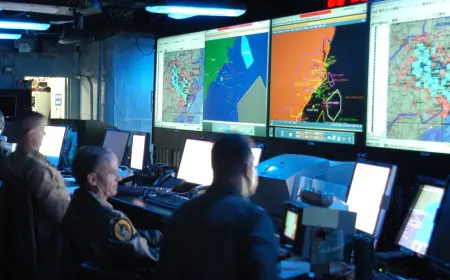
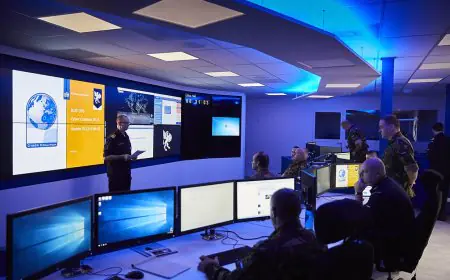
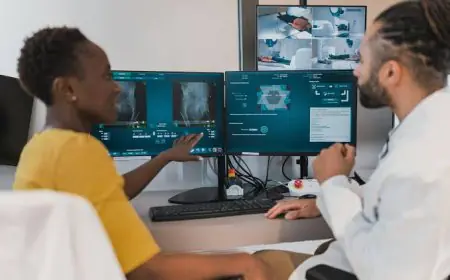
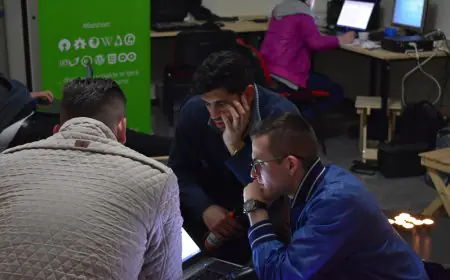
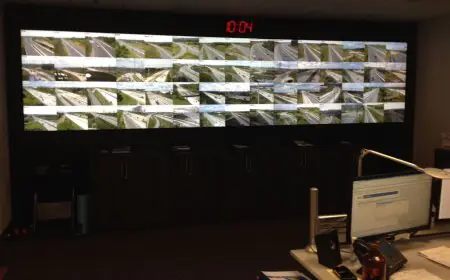
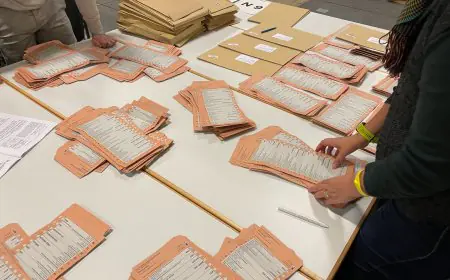
OpenAI has a message for the week before the midterms: it is watching its own chatbot. The company told Politico it is standing up an "Election Operations Center," a war room that Politico reports pulls hundreds of employees together to respond to suspected efforts to use its tools to disrupt the vote.


The center started running this week and, per Politico, stays up until all votes are counted. Its job is to spot the spread of misinformation and other disruption efforts, but mostly to police OpenAI's own products. Politico describes it as meant in large part to combat abuse of tools like ChatGPT, by monitoring real-time events and fielding reports of unexpected behavior from models or suspected violations of the platform's terms. Politico says OpenAI is the first major AI company to build one, and The Verge, repeating that, calls it the latest tech company war room in an election year.
The new twist is the target. A social network watches what users post. OpenAI is watching what its model says and what people coax out of it, and it is admitting that the model itself might act up.
"We’ve put considerable effort in ensuring we help users get reliable voting information, combat misuse of our tools, and support election defenders. The Elections Operations Center builds on that years-long work, bringing our teams together to respond quickly to emerging issues and enforce our policies as people head to the polls." Josh Lawson, OpenAI head of civic and strategic risk, in a statement shared with the Washington Examiner
Lawson is leading the group heading into Election Day on Tuesday, according to the Examiner. It is a tidy statement that skips the hard part. A room full of people is a response plan, not a guarantee, and OpenAI has not claimed the center will keep the election safe.
The plumbing behind the war room
The center sits on top of safeguards OpenAI laid out in a running post on its election work, last updated October 20. According to that post, a Democracy Works integration is live in the US, bringing registration, deadlines and polling-place information into ChatGPT with links to official election sources. An Associated Press integration brings live vote counts into ChatGPT after polls close. OpenAI adds that election officials remain the authority on voting rules and certified results.
Requests for images depicting election interference or voter discouragement now come back as stylized, cartoonified illustrations rather than photorealistic ones, which OpenAI says reduces the risk that an imagined scene gets mistaken for documentary evidence. Through a program called Daybreak, the company says it has offered voting-system manufacturers and state election authorities free special model access for cyber defense.
The threat is not hypothetical, by OpenAI's own account. In an October 8 report, the company said it banned accounts tied to two "false front" operations, one from Russia and one from Iran, that used its models to launder geopolitical, conflict-related messaging. Neither report ties those operations to the midterm vote, so treat them as a signal of intent, not proof of an election plot.
Some of the pressure is political. The Examiner notes that Democratic Sens. Alex Padilla and Adam Schiff sent an October letter to social media CEOs warning that AI and chatbots are creating new opportunities for large-scale election mis- and disinformation. OpenAI was not among the recipients.
Voters are already treating chatbots as a shortcut for election questions, a habit we covered in our look at chatbots as an unofficial voter guide. That is exactly why the war room matters, and why it will be judged on what happens, not what is announced.
The open questions are the practical ones. The public accounts so far do not say how many reports the center will handle, how fast OpenAI aims to act on them, or whether it will publish what it finds after the votes are counted. A post-election accounting would be the obvious test of whether this room did anything more than look reassuring.