































Malaysia Says Smugglers Passed 30 AI Chip Servers Off as Electronics at Its Main Airport
Malaysian customs says it seized about US$12 million of AI chip servers declared as electronic components at Kuala Lumpur's airport, the fifth case it links to one syndicate. Officials have not named the chip brand or the destination, and no arrests have been reported.
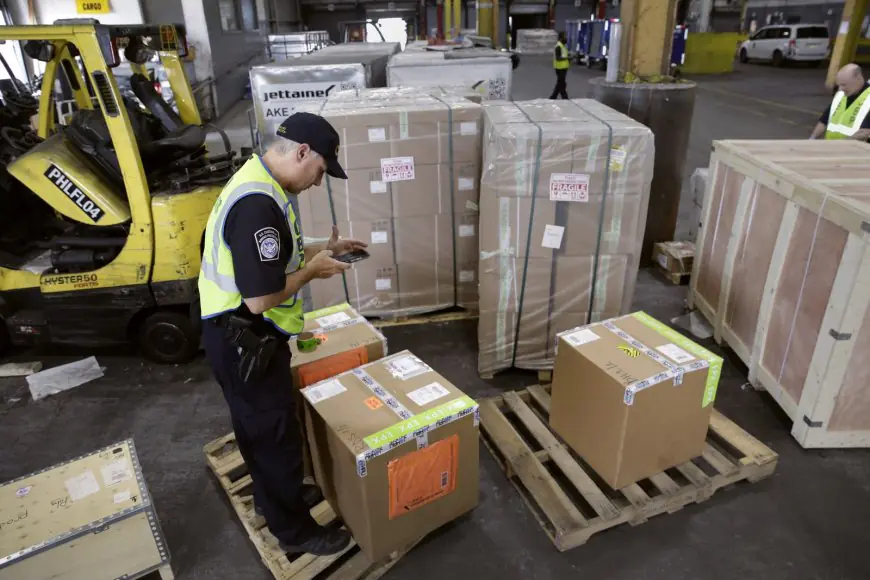
Thirty servers, one air waybill, and a label that said "electronic components." That is how Malaysian customs says a syndicate tried to slip roughly US$12 million of advanced AI chips through Kuala Lumpur's main airport, and it is the fifth time this year the same network has turned up.


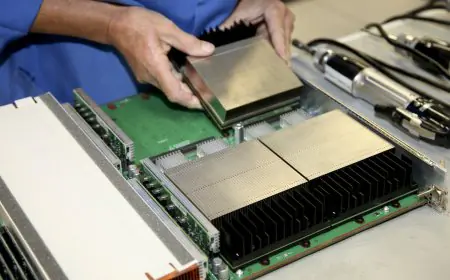
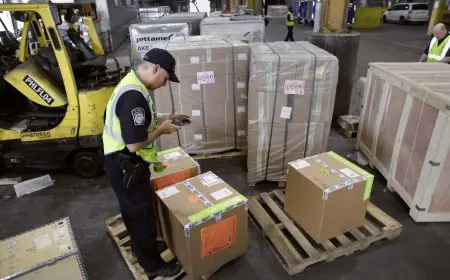
KLIA Customs director Aspalila Ag Tuah announced the seizure on Wednesday, Oct 28. According to CNA's report of the briefing, officers found 30 server units containing advanced AI chips during an inspection of the airport's free trade zone on Oct 15. The haul is worth about 49.5 million ringgit, or US$12.11 million. Malay Mail, citing Bernama, puts the inspection at about 11.30am.
The customs account is specific on the method. The servers came into the zone from an Asian country under a single air waybill, declared as electronic components, and were headed for re-export to another Asian country. Aspalila said the point was to dodge scrutiny.
"The syndicate also used Malaysia as a transit point to ensure there were no restrictions on the export of the servers to their next destination." Aspalila Ag Tuah, KLIA Customs director, as quoted by Malay Mail
Everything about the syndicate is customs' own characterization, and customs is not giving much away. Aspalila told reporters the five cases this year involve seizures worth more than 100 million ringgit in total, and that a similar attempt was foiled in June. She declined to share more, citing the ongoing investigation. A Malaysian company that handled the latest shipment has been called in to assist, and Malay Mail reports that no arrests had been made so far.
What is missing is just as telling. Officials did not name the chip brand, the country of origin or the destination. A Ministry of Investment, Trade and Industry official, Masyita Ismail, said they could not be disclosed because investigations are ongoing. So nobody has said these are Nvidia parts, and nobody has said where they were going. Anyone who says otherwise is guessing.
A permit rule smugglers can read too
The legal hook is Malaysia's Strategic Trade Act 2010, which covers dual-use items. Masyita said the chips are classed that way, and the customs briefing said they could potentially be used in the development of weapons or military technology. That is a claim from officials, and no specific military use was identified.
Under Strategic Trade Controller's Directive No. 1/2025, chips with a Total Processing Performance of 4,800 or higher, or 1,600 or higher combined with a Performance Density of 3.2 or higher, need a permit. Importers must apply 30 days before the chips arrive. The stated aim is to stop Malaysia becoming a transit hub for high-performance chips headed to sanctioned countries. CNA notes Malaysia imposed export controls last year on US-origin advanced AI chips, after pressure from Washington to stem flows into China.
Here is the uncomfortable part for enforcement. A rule built on paperwork can be beaten with the wrong paperwork. If a crate of GPU servers can pass as generic electronics on a waybill, the permit threshold does not matter until someone opens the box. This one was caught in a free trade zone warehouse, so inspectors were at least looking in the right place. The count is worse. Five cases in a year, with the same network behind them, means the first four did not stop it.
Customs says the cases are investigated under Section 12 of the Strategic Trade Act, which allows a fine of up to 20 million ringgit for a corporation. A wilful offence by an individual can bring up to 10 years in prison, a fine of up to 10 million ringgit, or both.
The chip diversion question is also live in Washington this week. Our coverage of the New York Times report involving Megaspeed and Jensen Huang is a separate story, and nothing in the Malaysian briefing links the two.
For now the KLIA case is a set of claims from one customs office, backed by seized servers and a growing tally. The next useful facts would be the brand, the route and the people behind the paperwork. Customs has not offered any of them yet.